
1. What is the EU Port Strategy?
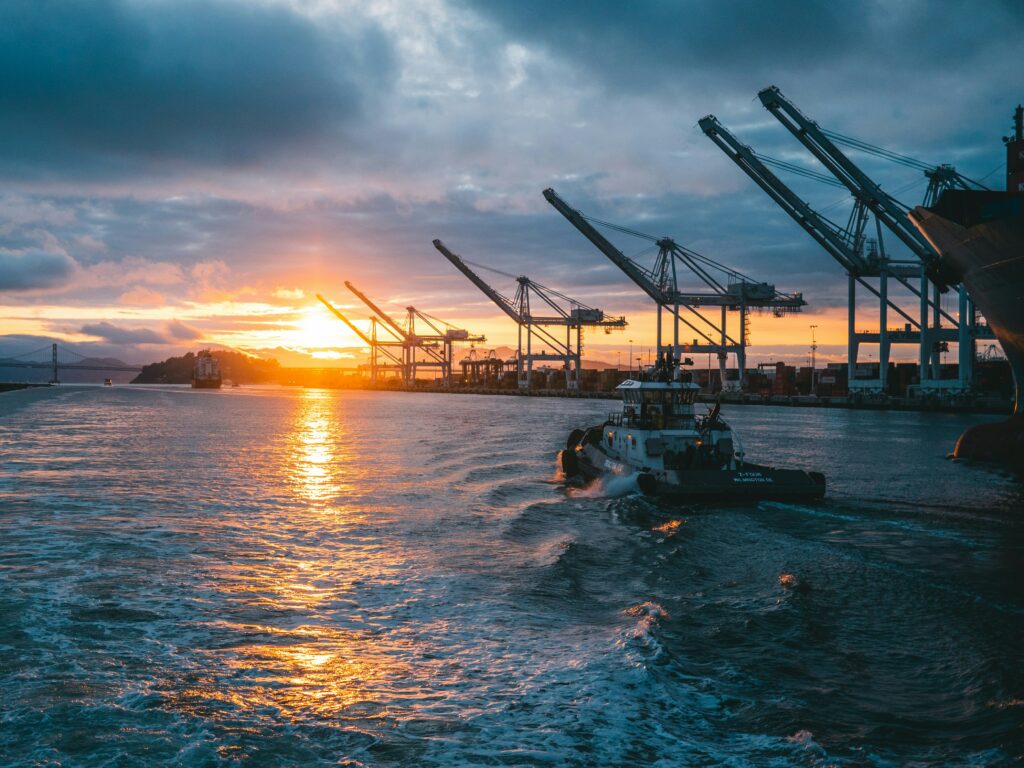
The EU Port Strategy sets out how Europe’s ports can remain competitive in a changing world. It recognises that ports are more than transport hubs. They are critical infrastructure that supports trade, energy security, economic growth, and regional development.
One of the strategy’s main priorities is to strengthen competitiveness through innovation, digitalisation, and better data sharing. The goal is straightforward: help ports make better decisions, improve efficiency, and respond more effectively to changing conditions.
For many ports, that challenge is familiar. Information often sits in separate systems. Teams work from different data sources. Environmental conditions change quickly, but the information needed to respond may not be available when it matters most.
The strategy calls for a more connected and data-driven approach. That begins with giving decision-makers access to reliable information about the conditions affecting their operations.
2. Why is digitalisation such an important part of the EU Port Strategy?
Running a port requires hundreds of decisions every day. Some are strategic. Many are operational. All depend on good information.
Yet many ports still rely on disconnected systems, manual processes, and data that is difficult to access or share. As ports become busier and environmental conditions become less predictable, those limitations become more costly.
Digitalisation helps solve that problem. It gives people faster access to information and helps them act on it.
For port authorities, digitalisation can improve planning, reporting, and coordination across stakeholders. For operators, it can improve efficiency, reduce delays, and support safer operations.
The challenge is not collecting more data. It is collecting the right data and making it available when people need it.
That is where environmental intelligence plays an important role. Knowing the local weather, wind conditions, water levels, wave activity, and temperature in real time can help operators make better decisions throughout the day.
3. How can ports make better operational decisions using real-time environmental data?
Port operations depend on conditions that can change quickly.
A shift in wind speed can affect cargo handling. Changes in wave conditions can influence vessel movements. Water levels may affect access to certain berths. Extreme temperatures can impact equipment and working conditions.
The earlier operators see these changes, the more options they have.
Real-time environmental monitoring provides an accurate picture of current conditions. Instead of relying solely on forecasts or observations from other locations, operators can see what is happening at their own site.
This allows teams to adjust schedules, allocate resources more effectively, and reduce unnecessary delays.
Good decisions depend on good information. When operators understand the conditions affecting the port in real time, they can respond with greater confidence and fewer surprises.
4. Why do ports need hyperlocal weather data instead of standard forecasts?
Most weather forecasts are designed for large geographic areas. They are useful for general planning, but ports often need something more precise.
Conditions can vary significantly across a harbour, approach channel, or terminal. Wind speeds may differ between berths. Wave conditions can change across relatively short distances. Water levels may affect one area more than another.
For port operators, these differences matter.
A forecast for the surrounding region does not always tell you what is happening at the exact location where a vessel is arriving, cargo is being loaded, or maintenance work is taking place.
Hyperlocal monitoring fills that gap. It provides information about the conditions that directly affect operations.
The result is less uncertainty and more confidence in day-to-day decision-making.
5. How does better data sharing support the goals of the EU Port Strategy?
Ports bring together many different organisations. Port authorities, terminal operators, pilots, vessel operators, maintenance teams, and sustainability managers often need access to the same information.
When information is fragmented, decisions become slower, and coordination becomes harder.
The EU Port Strategy recognises that better data sharing can improve both efficiency and resilience.
The goal is not simply to move data between systems. The goal is to ensure that people are working from the same information.
When environmental conditions change, everyone involved should be able to see the same picture. This reduces misunderstandings, improves coordination, and helps teams respond more effectively.
A shared understanding of conditions often leads to better outcomes than any individual system working in isolation.
6. How can ports prepare for future climate and operational challenges?
Ports have always managed environmental risk. What is changing is the scale and frequency of that challenge.
Many ports are already experiencing more variable weather patterns, rising sea levels, and greater pressure to demonstrate resilience. At the same time, regulators, investors, and communities expect evidence that risks are being monitored and managed.
Preparation begins with understanding local conditions.
Ports cannot manage what they do not measure.
Continuous monitoring helps build a record of how environmental conditions change over time. That information can support infrastructure planning, resilience programmes, maintenance schedules, and investment decisions.
It can also help ports move from reacting to events toward anticipating them.
The better a port understands its environment, the better prepared it will be for future challenges.
7. How can digitalisation deliver measurable value for ports?
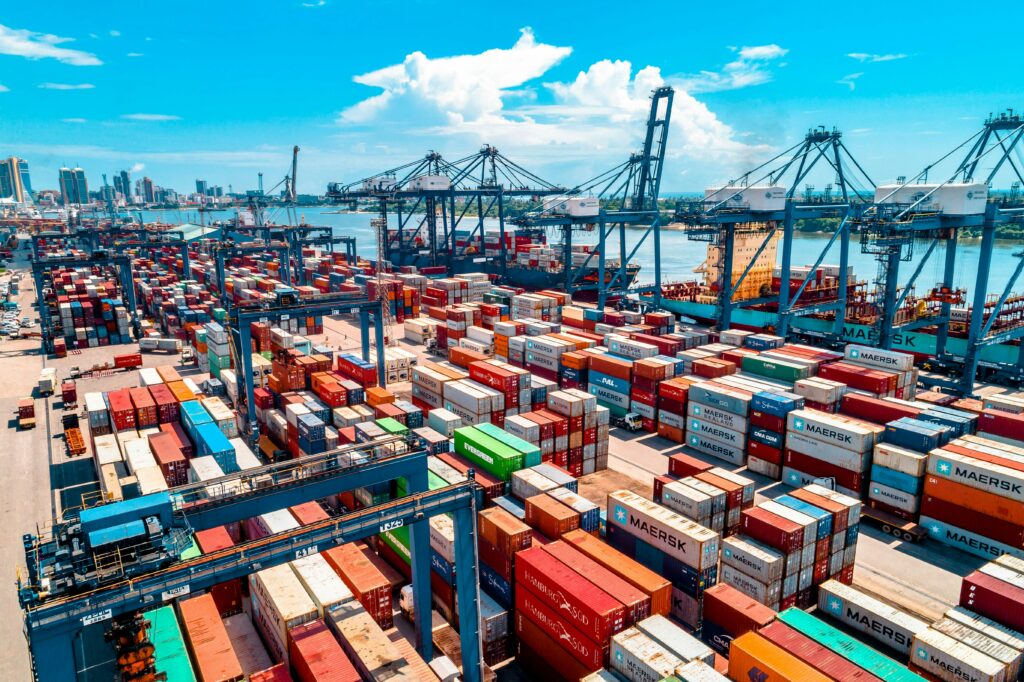
Many ports are investing in digitalisation. The question is not whether digitalisation matters. The question is whether it improves operations.
The answer depends on the quality of the information available to decision-makers.
Every day, port operators make decisions about vessel movements, cargo handling, maintenance, staffing, and safety. Those decisions become harder when conditions change quickly. Strong winds, high waves, changing water levels, or poor visibility can disrupt plans and create delays.
Too often, operators rely on information that is incomplete, out of date, or too general to reflect conditions at a specific location within the port.
Good digital systems reduce uncertainty. They provide timely information and make it easier to act on it.
Intoto helps ports do exactly that. By monitoring local weather and environmental conditions in real time, Intoto gives operators a clearer picture of what is happening now, not what was forecast several hours ago for a wider region.
That information can improve day-to-day decisions and deliver measurable benefits:
- Fewer delays caused by unexpected weather conditions
- Better use of berths, equipment, and personnel
- More efficient planning for vessel arrivals and departures
- Improved safety for workers and visiting vessels
- Less time spent gathering information from multiple sources
- Better evidence for resilience planning and infrastructure investment
The benefits do not stop with daily operations. Over time, ports build a record of local conditions that can reveal patterns and trends. This helps leaders plan investments, assess climate risks, and prepare for future challenges with greater confidence.
In short, digitalisation delivers value when it helps people make better decisions. Better information leads to better decisions. Better decisions improve efficiency, resilience, and competitiveness.
8. How can ports modernise without adding complexity?
Many port leaders face the same concern. They want better information, but they do not want another complicated system to manage.
That concern is reasonable.
Technology should simplify operations, not create more work.
Successful modernisation often comes from improving existing processes rather than replacing everything at once. New systems should fit within current operations and work alongside existing infrastructure.
This is particularly important in ports, where reliability matters as much as innovation.
Solutions that are easy to deploy, easy to maintain, and able to integrate with existing systems are more likely to deliver long-term value.
Modernisation does not have to be disruptive. In many cases, it starts with providing better information to the people who need it.
9. How can Intoto help ports align with the EU Port Strategy?
The EU Port Strategy calls for ports to become more innovative, more connected, and more resilient.
Those goals depend on better information.
Intoto helps ports understand the environmental conditions that affect their operations every day. Through local monitoring, real-time data, and long-term analysis, ports gain a clearer picture of the factors influencing safety, efficiency, and resilience.
Intoto supports the objectives of the EU Port Strategy by providing:
- Hyperlocal weather and environmental monitoring
- Real-time information on wind, waves, water levels, and temperature
- Data that can be shared across teams and stakeholders
- Integration with existing port systems
- Historical data that supports planning and reporting
- Predictive insights that help ports prepare for future conditions
The result is simple. Better information helps people make better decisions.
For ports seeking to improve competitiveness, strengthen resilience, and make practical progress on digitalisation, understanding local conditions is a good place to start.
To learn how Intoto can help your port make better use of environmental data, contact us for a conversation about your operational and strategic goals.