
In December 2025, flooding struck Sokndal again.
For the people responsible for protecting the municipality, the challenge was not simply the water itself. It was understanding what was happening, where it was happening, and what might happen next.
The information existed. Some of it sat in operational systems. Some came from sensors. Some came from consultants. Some came from national agencies. Some came from neighbouring infrastructure operators. Yet it lived in separate places, managed by different organisations, displayed in different formats, and updated on different schedules.
The result was familiar to many emergency managers. Plenty of data. Too little shared understanding.
Sokndal decided to change that.
Today, the municipality operates on the Intoto platform, where critical information is connected, curated, and presented in one place. Seven separate systems and data sources now work together as part of a single operational picture.
The municipality’s SCADA systems are integrated. Municipal IoT sensors are integrated. Data from third-party flood consultants is integrated. Water level information from a nearby hydropower facility is integrated. Open data from the Norwegian Water Resources and Energy Directorate, the Norwegian Mapping Authority, and the Norwegian Meteorological Institute is integrated.
The technology matters. But the story is really about collaboration.
For years, many organisations have spoken about breaking down silos. Few have done it. Water does not respect organisational boundaries, and neither should the information needed to manage it.
One example stands out.
The live integration of water-level data from the local hydropower facility is something we are particularly proud of. Dalane Energi and KraftSCADA have demonstrated what becomes possible when infrastructure operators and municipalities work toward a shared goal. Their willingness to share operational data creates better situational awareness for everyone involved.
This is more than a local achievement. It is an example that others can follow.
At Intoto, we have spent years connecting water-related systems across organisations. We have integrated environmental monitoring systems, river management infrastructure, and liming stations. Yet this collaboration with hydropower operators marks an important step forward. It shows that long-standing barriers can be removed when organisations focus on the common good.
The benefit is straightforward.
When heavy rain arrives, emergency managers no longer need to search across multiple systems to understand the situation. They can see conditions developing in one place. They can identify risks earlier. They can coordinate faster. And they can make decisions with greater confidence.
That is what resilience looks like in practice.
Sokndal is a small municipality. Yet it faces challenges familiar to communities across Norway and beyond. Few places understand river flooding better. Fewer still have responded with such determination to improve their preparedness.
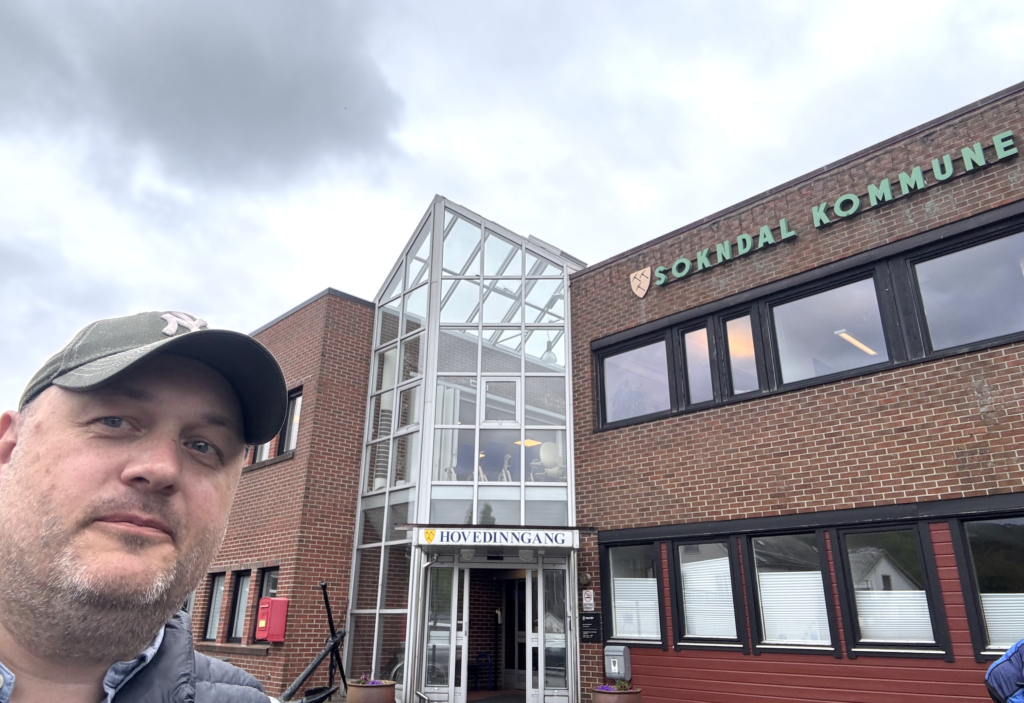
We are proud to work alongside the Sokndal team. Their willingness to innovate, collaborate, and challenge traditional boundaries has made this project possible.
The lesson from Sokndal is simple.
Floods will come again. No platform can stop the rain.
But communities can be better prepared when the people responsible for protecting them share information, connect systems, and build a common understanding before the next emergency arrives.
That is exactly what Sokndal has done.
Facing Similar Challenges?
Many municipalities already have the information they need. The challenge is that the information is scattered across different systems, organisations, and data sources.
Emergency managers should not have to piece together the situation during a flood, storm, or other critical event. The connections should already be in place.
Sokndal’s experience shows what becomes possible when municipalities, infrastructure operators, consultants, and public agencies work from the same operational picture. Better situational awareness leads to faster decisions, stronger coordination, and greater resilience.
If your municipality faces flood risks, climate-related challenges, or fragmented operational data, we would welcome a conversation.
At Intoto, we help communities connect the systems they already have, integrate new sources of information, and build a shared understanding of what is happening when it matters most.
The next extreme weather event is not a question of if, but when. The best time to connect the dots is before it arrives.
Contact Intoto to learn how a unified operational picture can strengthen your municipality’s preparedness and resilience.