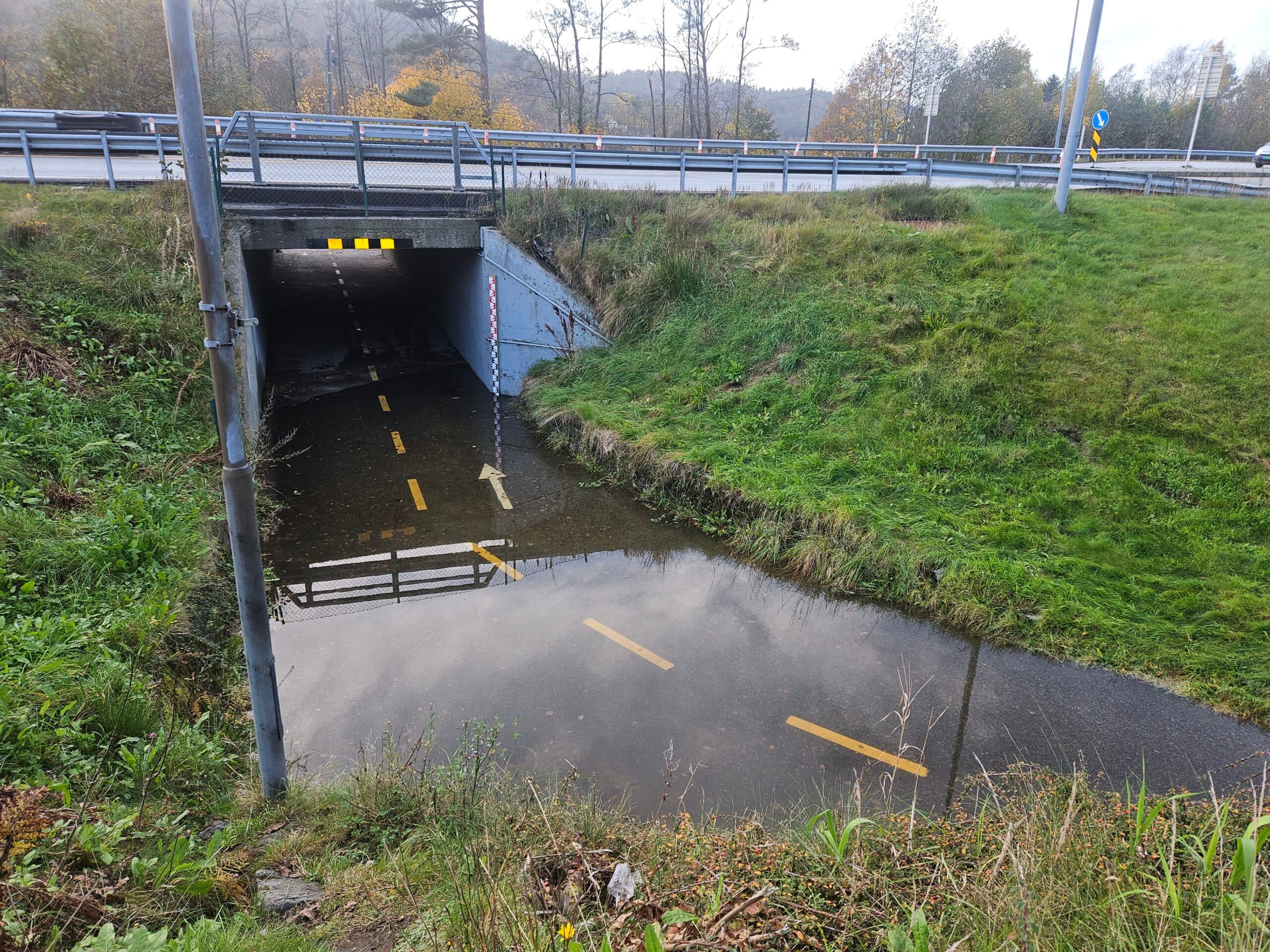
Being responsible for water and wastewater functioning when conditions change
Municipal water and wastewater operations are responsible for ensuring that water is handled safely in built environments, including when loads increase and conditions deviate from the norm.
Get in touch
We’d be happy to hear how you monitor water and wastewater conditions today, and how this affects operations, capacity, safety, and decision-making.
What is expected
Urban water and wastewater operations are expected to ensure predictable handling of water across the urban area.
Understanding of actual system behavior
It is expected that how water and wastewater behave in practice is understood, not only how systems are intended to work.
Awareness of local vulnerabilities
It is expected that exposed points and sensitive areas are known and taken into account in daily operations.
Situational awareness under increased load
It is expected that conditions can be followed when rainfall or inflow increases rapidly.
Coordination with other municipal functions
It is expected that water and wastewater operations integrate naturally with preparedness, planning, and field operations.
Ability to explain incidents afterwards
It is expected that deviations can be explained through a clear link between cause and consequence.
When expectations meet daily reality
In practice, maintaining full oversight in a complex urban environment is demanding.
Unpredictable loading conditions
Short and intense rainfall events create pressure that is difficult to anticipate.
Distributed operational knowledge
Critical knowledge often resides with individuals rather than in shared overviews.
Incidents outside core systems
Problems frequently occur in streets, low points, and connections with unclear ownership.
Limited real time situational picture
It is difficult to know what is actually happening while an incident is unfolding.
Clear responsibility under uncertain conditions
Expectations toward water and wastewater remain clear even when drivers originate outside the system.
What this is really about
This is not primarily about capacity or infrastructure, but about making sound decisions when normal assumptions no longer apply.
Do you have questions?
Get in touchHow we contribute
We support the shift from reactive handling to stronger practical situational understanding.
Making local water behavior visible
We help ensure that what happens locally is understandable where decisions are made.
Earlier awareness as pressure builds
We strengthen the ability to notice changes before situations escalate.
Connecting events across locations
We help relate individual incidents to a wider operational picture.
Continuity from normal operations to incidents
We support a smoother transition as normal operations turn into deviations.
Basis for learning after incidents
We help create clearer understanding of what happened and why.
What this provides
Fewer surprises during demanding conditions
The organization is better prepared when loads increase.
Greater confidence in operational decisions
Decisions are made with a stronger understanding of the situation.
Improved internal coordination
Water and wastewater operations play a clearer role in cross functional handling.
More coherent communication
Internal and external explanations become easier to align.
Strengthened trust in water and wastewater operations
Handling is perceived as more predictable and controlled.
Who this is for
This solution is relevant for responsibility related to:
- Operation of municipal water and wastewater systems
- Management of stormwater in built environments
- Handling of deviations and incidents
- Coordination between water, preparedness, and planning
- Long term robustness of water and wastewater services

Invitation to talk
For municipalities responsible for urban water and wastewater under increasingly variable conditions, it can be valuable to exchange experiences. A conversation can help clarify where current practices work well and where stronger situational understanding may support future work.
Scott Basgaard
Customer Relations
Prefer a form?