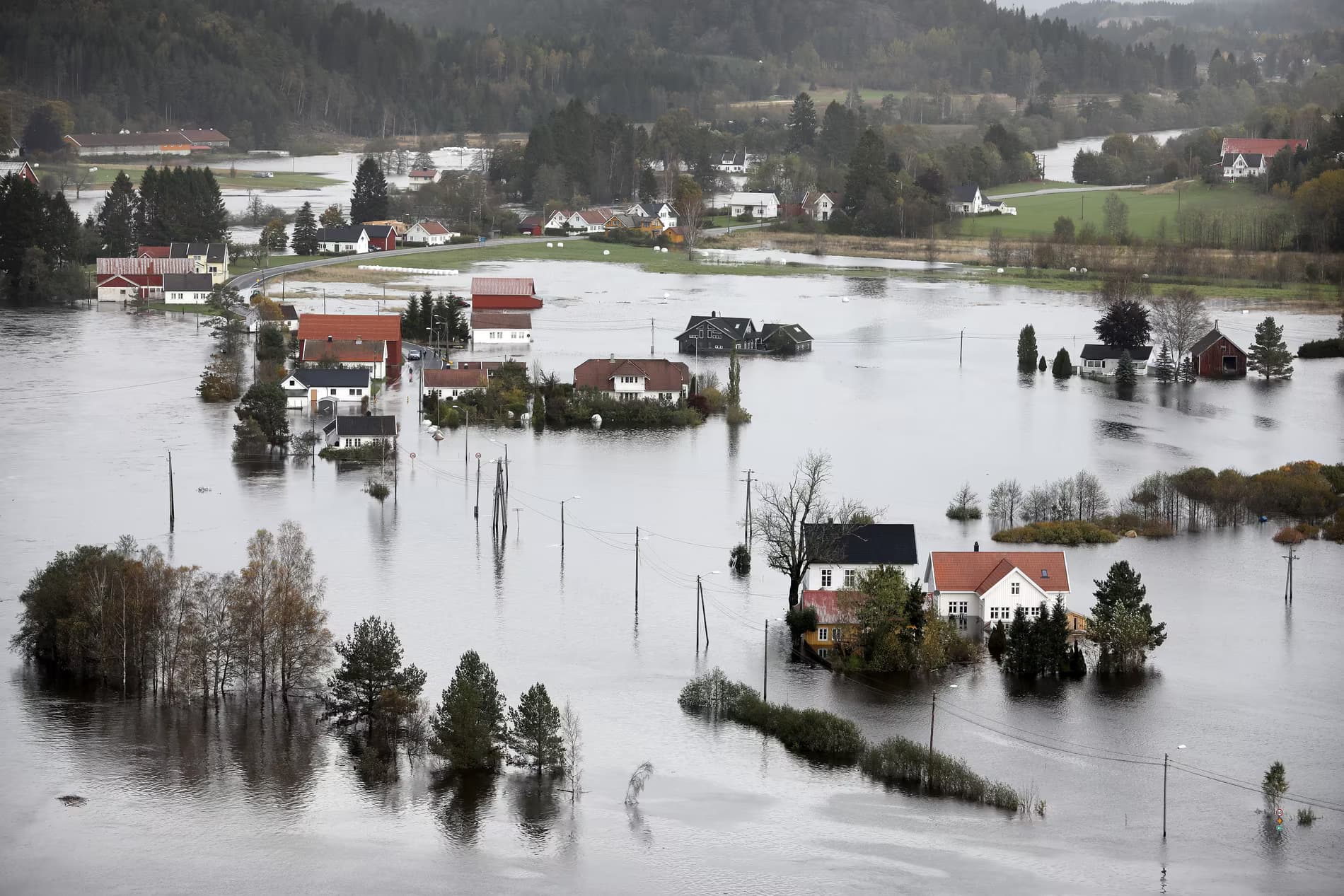
God beredskap krever mer enn planer
Ansvaret for beredskap strekker seg over tid. Det handler om å være forberedt, forstå utviklingen av situasjoner og kunne ta gode beslutninger, også når informasjonen er ufullstendig og tempoet er høyt.
Få rådgivning om beredskap
Vi hjelper deg med å forberede og sikre deres infrastruktur mot kritiske hendelser.
Vi jobber med




Hva som forventes
Organisasjoner med ansvar for beredskap må kunne dokumentere at de er forberedt på å håndtere hendelser, kontinuerlig, ikke bare gjennom planer og øvelser.
Løpende oversikt
Det forventes at organisasjonen har oversikt over risiko, sårbarhet og utvikling, ikke bare statiske vurderinger.
Evne til å oppdage endringer
Ansvar innebærer å fange opp endringer tidlig, før situasjoner eskalerer.
Dokumenterte beslutninger
Vurderinger og tiltak må kunne etterprøves, både internt og i etterkant av hendelser.
Tydelig organisering
Det må være klart hvem som gjør hva, når, og på hvilket grunnlag beslutninger tas.
Etterprøvbarhet over tid
Det må finnes spor av hvordan situasjoner ble vurdert og håndtert gjennom hele forløpet.
Når krav møter hverdag
De fleste organisasjoner har gode planer og kompetente folk. Likevel opplever mange et gap mellom det som forventes og det som faktisk lar seg gjennomføre i praksis.
Begrenset kapasitet
Beredskapsarbeid skjer ofte parallelt med ordinær drift, med begrenset tid og ressurser.
Fragmentert informasjon
Informasjon kommer fra mange kilder og i ulike formater. Helhetsbildet er vanskelig å etablere.
Avhengighet av enkeltpersoner
Lokalkunnskap og erfaring sitter ofte hos få personer. Når de ikke er tilgjengelige, svekkes oversikten.
Beredskap på papiret
Planer finnes, men det er usikkert om de fungerer når situasjonen utvikler seg raskt.
Usikkerhet under press
Beslutninger må tas før bildet er komplett, ofte uten et tydelig felles beslutningsgrunnlag.
Hva beredskap egentlig handler om
Beredskap handler ikke bare om planer, rutiner og øvelser. Det handler om å ha kontroll over situasjoner, ikke bare dokumenter.
Å forstå hva som skjer her og nå. Å se hvordan situasjonen kan utvikle seg videre. Å vite hva som er kritisk, og hva som kan avvente. Og å kunne forklare beslutningene i etterkant, til ledelse, samarbeidspartnere og omgivelsene.
Hva operatører ser
Intoto-plattformen samler målinger, varsler og operasjonelle signaler i én oversikt. Dette gjør det lettere å oppdage endringer tidlig og reagere når noe krever oppmerksomhet.

Eksempel på dashboardvisning med målinger, varsler og sensorlokasjoner samlet i én oversikt.
Sanntidsmålinger
Løpende målinger gir en umiddelbar oversikt over dagens forhold.
Varsler og avvik
Automatiske varsler gjør det lettere å se når mønstre endrer seg.
Historiske trender
Nåværende målinger kan ses i sammenheng med tidligere utvikling.
Oversikt over lokasjoner
Sensorer og anlegg vises i én samlet visning.
Har du spørsmål?
Ta kontaktHvordan vi bidrar
Vi hjelper organisasjoner med å gå fra reaktiv håndtering til mer forutsigbar beredskap, uten å innføre unødvendig kompleksitet.
Fra reaktiv til forberedt
Dere får bedre grunnlag for å handle tidlig, ikke først når situasjonen er blitt akutt.
Felles situasjonsforståelse
Alle involverte jobber ut fra samme bilde. Diskusjoner handler om prioritering, ikke om tolkning.
Mindre stress i kritiske øyeblikk
Når det haster, er informasjon og oversikt allerede tilgjengelig.
Tydeligere ansvar og roller
Det er klart hvem som skal handle, når, og på hvilket grunnlag. Ikke avhengig av tilfeldig tilgjengelighet.
Dokumentasjon som tåler ettersyn
Vurderinger og beslutninger blir tilgjengelige i etterkant, uten behov for rekonstruksjon.
Hva det gir
Mer robust beredskap
Organisasjonen er bedre rustet når noe skjer.
Bedre samspill
Færre misforståelser, raskere avklaringer og tydeligere ansvar.
Mer forutsigbarhet
Bedre forståelse av hva som skjer, og hvordan situasjonen kan utvikle seg.
Økt tillit
Internt, i ledelsen og blant samarbeidspartnere. Beslutninger kan forklares.
Mindre personavhengighet
Kunnskapen sitter i organisasjonen, ikke bare hos enkeltpersoner.
Hvem dette er for
Denne løsningen er utviklet for organisasjoner med ansvar for beredskap og samordning.
- Kommunal beredskap og kriseledelse
- Brann og redning
- Samvirkeaktører i beredskap
- Samfunnskritiske tjenester
- Ledere med overordnet ansvar

Ønsker du en samtale?
Vi tar gjerne en uforpliktende prat om hvordan dere jobber med beredskap i dag. Ingen salgspress, bare en mulighet til å diskutere ansvar, utfordringer og se om det er grunnlag for videre dialog.
Frode Aagedal
Kundeoppfølging
Foretrekker du et skjema?